Bearded Dragon Temperature and Humidity Guide
Basking spot, warm side, cool side, night drop and humidity for bearded dragons, how to measure each one properly, and the signs your dragon is too hot or too cold.

The Reptile Keeper team
Nov 18, 2026 · 4 min read
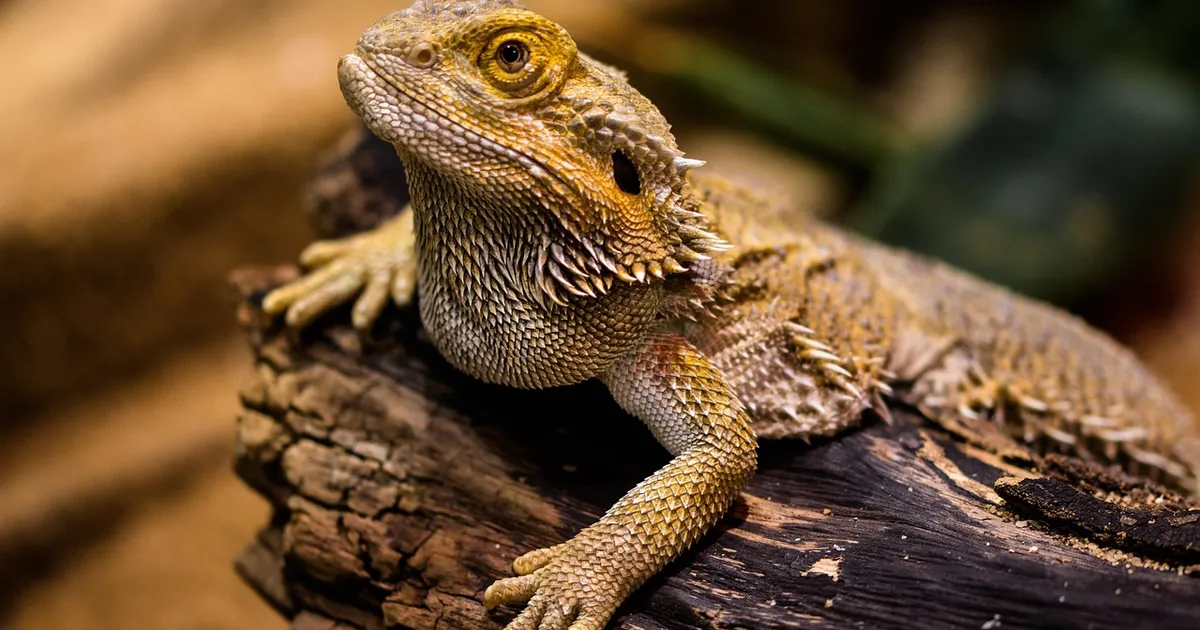
Bearded dragons are desert lizards that run their whole body on outside heat. Get the temperatures right and they eat well, digest properly, stay active and shed easily. Get them wrong and almost every common problem follows: poor appetite, sluggishness, stuck food and, over time, metabolic bone disease. Here are the numbers, and how to measure them so they're actually true.
The numbers at a glance
| Zone | Adults | Babies and juveniles |
|---|---|---|
| Basking surface | 100–110 °F (38–43 °C) | 105–110 °F (41–43 °C) |
| Warm side air | 85–95 °F (29–35 °C) | 85–95 °F (29–35 °C) |
| Cool side air | 75–85 °F (24–29 °C) | 75–85 °F (24–29 °C) |
| Night | 65–75 °F (18–24 °C) | 65–75 °F (18–24 °C) |
| Humidity | 30–40% | 30–40% |
The point is not one temperature but a gradient: a hot spot at one end, a cooler end at the other, and everything in between. Your dragon moves along it to warm up after waking, to digest a meal, or to cool off.
The basking spot
The basking spot is the most important number in the enclosure and the one most often measured wrong.
- Measure the surface, not the air. Point an infrared temperature gun at the exact spot where your dragon lies: the top of the basking rock or branch. A stick-on dial measures the glass, not the spot.
- Use the right lamp. A halogen flood bulb gives the deep, even heat dragons are built for. Use more than one bulb if needed to make a basking area as big as your dragon's whole body.
- Control it. Put the lamp on a dimming thermostat with the probe at the basking spot, so a warm summer day doesn't push it to 120 °F.
- Adjust the height. If the spot is too hot even on a low setting, raise the basking platform's distance from the lamp, or use a lower-wattage bulb.
Avoid heat rocks: they heat unevenly and can burn a dragon that lies on one for too long.
The cool side
The far end should sit at 75–85 °F (24–29 °C). Measure it with a digital probe thermometer a few inches above the floor. If the cool end is as warm as the middle, the enclosure is too small or the lamp too strong: your dragon has nowhere to cool down. Our enclosure size calculator shows the minimum size for an adult (4 × 2 × 2 ft).
UVB goes with heat
Heat alone isn't enough. Bearded dragons need strong UVB to make vitamin D3 and use calcium. Use a linear T5 high-output UVB tube (a 10–12% desert tube) running about half to two-thirds of the enclosure's length, on the same side as the basking lamp, mounted at the distance the maker recommends. Replace it every 12 months: tubes keep glowing long after their UVB output has dropped.
Give 12–14 hours of light in summer and a little less in winter, on a timer.
Night temperatures
Turn all lights off at night, including red and blue "night bulbs", which disturb sleep. A drop to 65–75 °F (18–24 °C) is natural. If your home gets colder than about 65 °F, add a heat source that makes no light, such as a ceramic heat emitter or a deep heat projector, on a thermostat.
Humidity
Bearded dragons come from dry country. Aim for 30–40%, measured with a digital hygrometer halfway up the enclosure.
- Too high for long periods (above about 60%): a risk of respiratory infection and skin problems. Improve ventilation, use a drier substrate and move the water bowl to the cool side.
- Too low is rarely a problem for adults, but a short warm bath or a light misting helps when they shed.
Signs the temperatures are off
Too hot:
- Gaping (mouth open) almost all the time
- Avoiding the basking spot, hiding on the cool side or digging all day
- Darker or very pale colour all day
Too cold:
- Sluggish, sleeping a lot during the day
- Eating little, or food coming back undigested
- A dull, dark colour that doesn't brighten after basking
Some slowing down in late autumn and winter can also be brumation, a natural rest. Rule out temperature problems first, and have a vet check a dragon that is losing weight.
Make it a habit
Check the basking spot and both ends at the same time every day for the first week of a new setup, then a couple of times a week. Temperatures drift with the seasons, and drifting readings are behind many appetite problems.
Our free temperature and humidity guide has the ranges for 30 popular reptiles in °F and °C, and the feeding schedule calculator gives the right feeding plan for your dragon's age. In the Reptile Keeper app you can log basking, cool-side and humidity readings and see at a glance when one is out of range.
Frequently asked questions
What temperature should a bearded dragon basking spot be?
For adults, a surface temperature of 100–110 °F (38–43 °C), measured with an infrared thermometer where the dragon lies. Babies and juveniles do well at the top of that range.
Do bearded dragons need heat at night?
Usually not. A night drop to 65–75 °F (18–24 °C) is natural and healthy. Add a non-light heat source such as a ceramic heater on a thermostat only if the room falls below about 65 °F (18 °C).
What humidity should a bearded dragon have?
30–40% for most of the day. Short rises after a bath or a misting are fine, but constant high humidity raises the risk of respiratory infections.
Why is my bearded dragon sitting with its mouth open?
Gaping while basking is normal: it is how dragons let off excess heat. If your dragon gapes all the time, avoids the basking spot or hides on the cool side, the basking spot may be too hot.