Ball Python Not Eating? 9 Reasons and What to Do
Shed, season, stress, setup or prey: work through the nine usual reasons a ball python refuses food, what to change, and when a fast is a reason to see a vet.

The Reptile Keeper team
Nov 20, 2026 · 4 min read
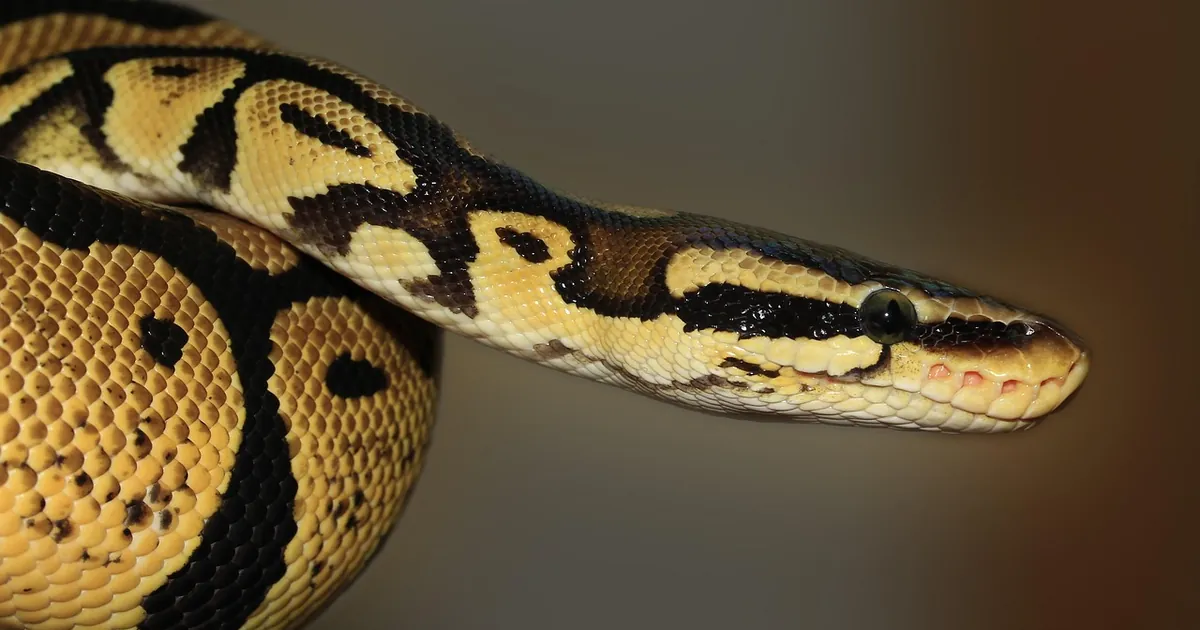
Ball pythons are famous for refusing food. It's so common that experienced keepers barely worry about a missed meal, and new keepers lose sleep over it. Most fasts have a simple reason, and most end on their own once that reason is fixed. Work through this list in order: the first few explain the majority of refusals.
1. A shed is coming
Ball pythons usually stop eating for a week or two around a shed. Look for dull skin and cloudy, blue-grey eyes. The eyes clear a few days before the snake sheds. Don't offer food until the shed is out and complete, then try again a day or two later.
2. It's the season
Many ball pythons, especially adult males, eat little or nothing through the cooler months, roughly late autumn to early spring. It's their breeding season and appetite drops even in a perfect setup. If the snake is alert, has a good body shape and its weight holds, wait it out and keep offering every 10–14 days.
3. The temperatures are off
A cool snake can't digest, so it won't eat. Check, with a digital probe thermometer and an infrared temperature gun:
- Basking surface: 88–92 °F (31–33 °C)
- Cool side: 75–80 °F (24–27 °C)
- Night: no lower than about 70 °F (21 °C)
A stick-on dial on the glass is not enough. Heat mats and lamps must run on a thermostat. See our temperature and humidity guide for the full ranges.
4. It just moved home
A new snake needs time. Set up the enclosure, then leave it alone for one to two weeks before the first meal: no handling, no rearranging. Many ball pythons skip the first offer or two in a new home.
5. Too much handling
Handling a ball python every day, especially a young one, can put it off food. Keep handling to a few short sessions a week, and don't handle for two days after a meal to avoid regurgitation.
6. The enclosure feels unsafe
Ball pythons are ambush hunters that hide most of the day. An open, bare enclosure makes them nervous and they stop eating. Give them:
- Two snug hides, one on the warm side and one on the cool side, just big enough for the snake to touch the walls.
- Clutter: fake plants, cork bark, branches, so it can move without being exposed.
- Covered sides if the glass is clear on three sides, and a spot away from busy foot traffic.
7. The prey is wrong
Small changes can matter to a fussy snake:
- Size: prey should weigh about 10–15% of the snake's weight. Too big can put it off. Our feeding schedule calculator works out the right size.
- Type: a snake raised on mice may refuse rats, or the other way around. Some prefer a particular colour of rodent.
- Temperature: frozen-thawed prey must be fully thawed and warm: warm it in a sealed bag in warm water until the surface feels warm, never in a microwave.
- Movement: wiggle the prey gently with long tongs to make it look alive.
8. Feeding at the wrong time
Ball pythons hunt at dusk and at night. Offer food in the evening, with the room lights low. If you feed in a separate tub, try feeding in the enclosure instead: moving the snake can stress it, and feeding in the enclosure does not make it more likely to bite.
9. It's unwell
Less often, a refusal is a sign of illness. Look for:
- Bubbles, mucus or wheezing (respiratory infection)
- Swelling, redness or cheesy material in the mouth (mouth rot)
- Tiny black dots moving on the skin or in the water bowl (mites)
- Regurgitating meals, or unusual droppings
Any of these is a reason to see a reptile vet. Females that are gravid (carrying eggs) also stop eating.
Keep weighing
The most useful thing you can do during a fast is weigh the snake every two weeks on a kitchen scale and write it down. An adult that holds its weight through a three-month winter fast is fine. One that loses more than 10% of its weight, at any time of year, should see a vet.
A plan that works
- Check temperatures and hides, and fix anything off.
- Stop handling except for weigh-ins.
- Offer the right-sized prey, warm, in the evening, every 7–14 days, not every day.
- Weigh every two weeks.
- See a vet if weight drops by 10% or there are signs of illness.
The Reptile Keeper app logs every offer as eaten or refused, moves the next offer automatically after a refusal, and charts weight over time, so you can see at a glance whether a fast is a normal pause or a problem.
Frequently asked questions
How long can a ball python go without eating?
A healthy adult can safely fast for weeks to several months, especially in winter, as long as it keeps its weight. Young snakes have less in reserve, so a long fast in a hatchling deserves a closer look sooner.
Should I offer food again the next day after a refusal?
No. Wait about a week before trying again. Offering food every day stresses the snake and can make the fast last longer.
Do ball pythons stop eating in winter?
Many do, especially adult males during the cooler months, which is breeding season. It's normal if the snake looks healthy and its weight holds.
When should I take my ball python to a vet?
If it loses more than 10% of its body weight, has bubbles or discharge from the mouth or nose, wheezes, has swelling around the mouth, or refuses food for a long time while also losing condition.