Leopard Gecko Feeding Schedule: How Often and How Much
Daily for babies, every other day for juveniles, every two or three days for adults: the insects, the numbers, the supplements, and how to tell if your gecko is eating enough.
The Reptile Keeper team
Nov 22, 2026 · 3 min read
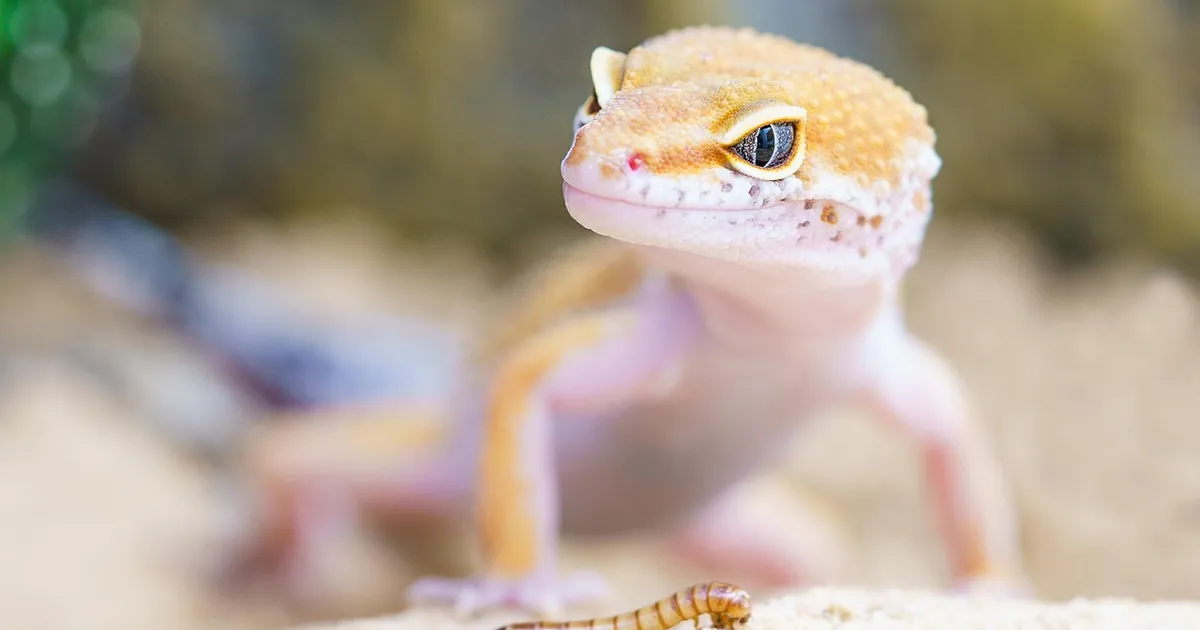
Leopard geckos are some of the easiest reptiles to feed: they hunt live insects with real enthusiasm and don't need salads, fruit or special diets. What changes as they grow is how often they eat and how much. Here's the schedule most keepers and reptile vets use.
The schedule by age
| Age | Weight (rough) | How often | How much |
|---|---|---|---|
| Baby, 0–4 months | Under 15 g | Every day | As many as it eats in 10–15 min, usually 5–8 small insects |
| Juvenile, 4–12 months | 15–40 g | Every other day | As many as it eats in 10–15 min, usually 6–10 |
| Adult, 12 months+ | 40 g and up | Every 2–3 days | About 5–7 large insects |
Age is a rough guide; weight and the tail are better. A thin baby can stay on daily feeding longer, and a chunky adult can go to every three or four days. Our feeding schedule calculator gives the plan from your gecko's weight.
Which insects
Staples (most meals):
- Crickets: active, good for hunting exercise.
- Dubia roaches: meaty, easy to keep, don't chirp or climb smooth walls.
- Mealworms: easy, but higher in fat; best mixed with others.
- Black soldier fly larvae: naturally high in calcium.
- Superworms: for adults only.
Treats (once a week or less):
- Waxworms and butterworms: very fatty, like sweets.
- Hornworms: watery, good for hydration.
Avoid wild-caught insects, which can carry parasites and pesticides, and never feed fireflies, which are toxic.
Getting the size right
An insect should be no bigger than the space between your gecko's eyes. Too-big insects can cause choking or regurgitation. Babies need small crickets or small roaches; adults can take large crickets, adult dubias and superworms.
Gut-load and dust
Insects are only as good as what they've eaten.
- Gut-load: feed the insects fresh vegetables or a commercial gut-load food for at least 24 hours before they go to your gecko.
- Calcium: dust insects with a fine calcium powder at most meals. If your gecko has no UVB, use calcium with vitamin D3; with UVB, plain calcium is fine most of the time.
- Multivitamin: dust with a reptile multivitamin about once a week.
Calcium shortage over months leads to metabolic bone disease: soft jaws, bent legs and trembling. It's entirely preventable with dusting.
How to feed
- Hand or tongs: good for building trust and seeing exactly what was eaten.
- A smooth-sided dish: works well for mealworms and superworms, which can't climb out.
- Loose in the enclosure: fine for crickets and roaches, but take out any left after 15 minutes. Crickets left overnight can nibble a sleeping gecko.
Leopard geckos are most active at dusk, so evening is the best feeding time.
Is my gecko eating enough?
Look at the tail. A leopard gecko stores fat there.
- About as wide as the body, or a little thinner: healthy.
- Much wider than the neck, with fat bulging at the armpits: overweight. Feed less often and cut the fatty treats.
- Thin, stick-like tail: underweight. Check temperatures, check for parasites with a vet, and feed more often.
Weighing every two to four weeks on a kitchen scale catches changes long before you can see them.
When a gecko stops eating
Leopard geckos often eat less:
- Before and during a shed: the skin turns pale and dull. They usually eat the old skin.
- In winter: many slow down, especially adult males in breeding season.
- After a move: give a new gecko a week to settle.
Cool temperatures are the most common fixable cause. The basking surface should be 94–97 °F (34–36 °C), with the cool side at 70–77 °F (21–25 °C). Check the full ranges in our temperature and humidity guide. See a vet for weight loss, a shrinking tail, regurgitation or runny droppings.
The Reptile Keeper app reminds you on feeding day, logs what each gecko ate, and charts weight over time, so you see a shrinking tail coming weeks before it shows.
Frequently asked questions
How many crickets should a leopard gecko eat?
An adult usually eats about 5–7 large crickets or roaches per meal, every two to three days. Babies and juveniles eat as many small insects as they want in 10–15 minutes.
Can leopard geckos eat only mealworms?
Mealworms are a fine staple for many geckos, but a mix is better: crickets, dubia roaches, mealworms and black soldier fly larvae, with waxworms and hornworms as occasional treats.
How long can a leopard gecko go without eating?
A healthy adult with a fat tail can go a couple of weeks without food, and many eat less in winter. Babies should eat regularly. Watch the tail and the weight rather than the calendar.
Do leopard geckos need vegetables or fruit?
No. Leopard geckos are insectivores and can't digest plants well. Feed vegetables to the insects instead (gut-loading).